Editor's Note: This article is for educational purposes for healthcare professionals. It models economic scenarios and does not guarantee specific financial results, as market conditions vary by location.
A common concern among medical practitioners is the disconnect between marketing reports and actual clinic revenue. Often, high engagement on social media platforms does not correlate with an increase in patient appointments.
The discrepancy usually lies in the metrics being tracked. In healthcare marketing, "vanity metrics" (likes, shares, views) are often misleading indicators of growth. Profitability requires a focus on conversion-based data.
The "Clinic Growth Triangle" Framework
Through analyzing data from over 50 healthcare practices, we have identified three critical KPIs that directly impact topline revenue:
- PAC (Patient Acquisition Cost): The total marketing spend required to acquire one converting patient.
- LTV (Lifetime Value): The verified revenue generated by a patient over a 3-5 year period.
- Show-Up Rate: The percentage of booked appointments that result in a completed consultation.
1. Calculating True PAC: A Dental Implant Case Study
Many agencies report "Cost Per Lead" (CPL), which is an incomplete metric. For example, consider a Dental Implant Campaign in Bengaluru:
| Metric | Scenario A (Low Quality) | Scenario B (High Intent) |
|---|---|---|
| Ad Spend | ₹20,000 | ₹20,000 |
| Leads Generated | 100 | 20 |
| Cost Per Lead (CPL) | ₹200 (Looks Good) | ₹1,000 (Looks Expensive) |
| Consultations Booked | 5 | 12 |
| True PAC (Cost Per Patient) | ₹4,000 | ₹1,666 |
Analysis: Scenario B appears 5x more expensive initially (CPL), but is actually 2.4x more profitable because it focused on high-intent search terms rather than broad audience targeting.
2. The "Trust Gap" Mechanism
Patients rarely book major procedures on impulse. They investigate the provider's credibility. If a Google Business Profile lacks recent reviews or a website appears outdated, the patient perceives a higher risk. This is the "Trust Gap."
Clinical Implication: We recommend stabilizing your Reputation Management (GMB) foundation before scaling ad spend.
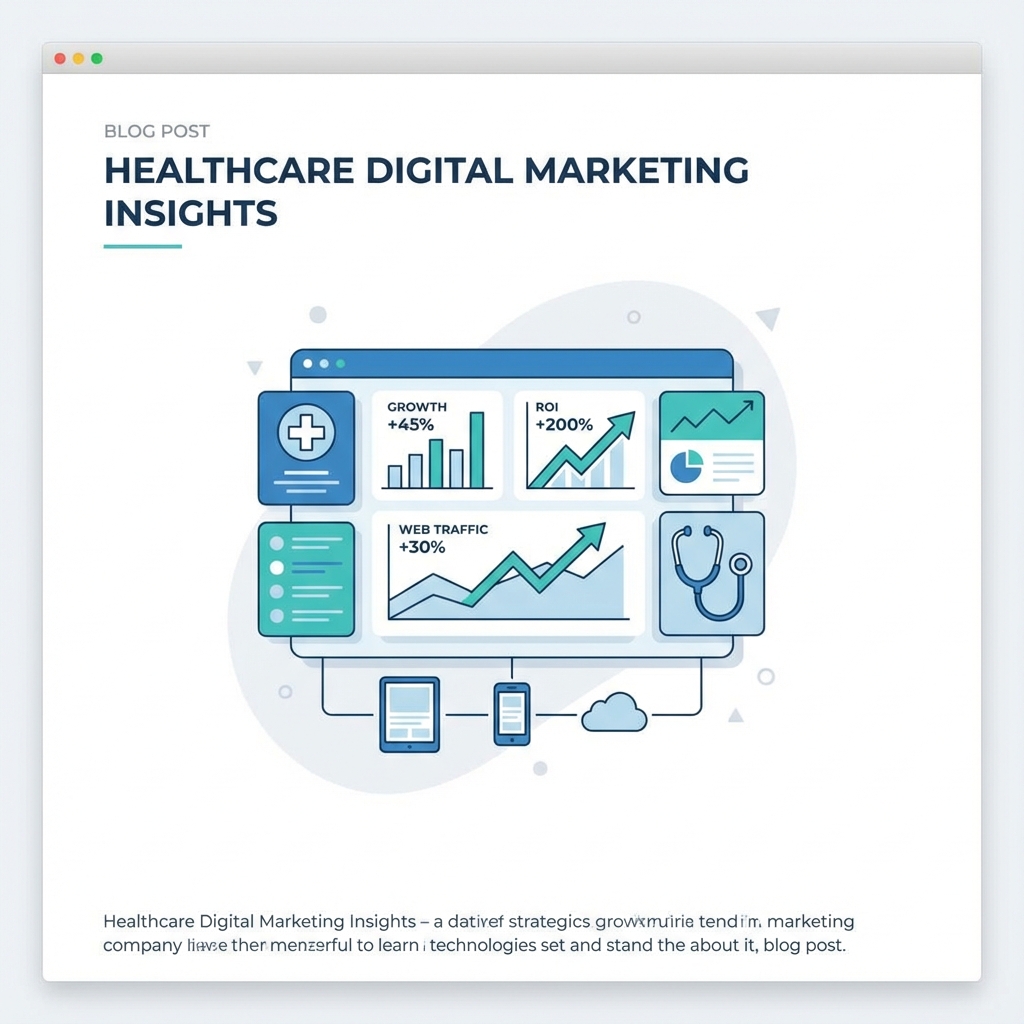
Figure 1: Data visualization showing the correlation between Reputation Score and conversion efficiency.
Conclusion: Moving to Evidence-Based Marketing
Just as evidence-based medicine relies on verified data, your practice's growth strategy should rely on verified financial KPIs. Focus on reducing your PAC and increasing LTV, rather than maximizing "likes."
Professional Audit
Request a comprehensive audit of your digital footprint to identify current PAC inefficiencies.
Request Audit